What Affects the Cost of Permanent Makeup in Mississauga
Permanent makeup in Mississauga is not priced randomly, and clients who spend time comparing clinics often notice wide differences in cost. That variation usually causes confusion. One studio may quote a few hundred dollars, while another charges significantly more for what appears to be the same service. The reality is that permanent makeup pricing reflects training, safety standards, technique, materials, and long-term results. Understanding these factors helps clients make informed decisions rather than choosing based on price alone.
At Alternative Laser Health in Mississauga, consultations often begin with cost questions. Clients want clarity. They want to know what they are paying for and why pricing differs across the Peel Region. The answers are rooted in both technical details and professional judgment.
The type of permanent makeup service matters
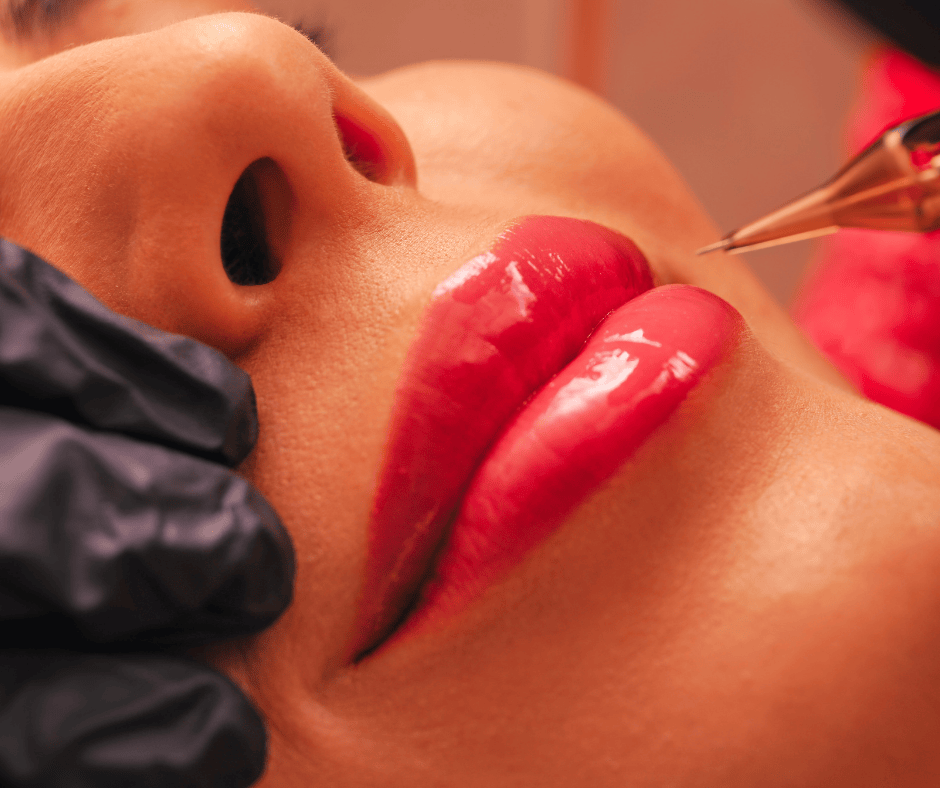
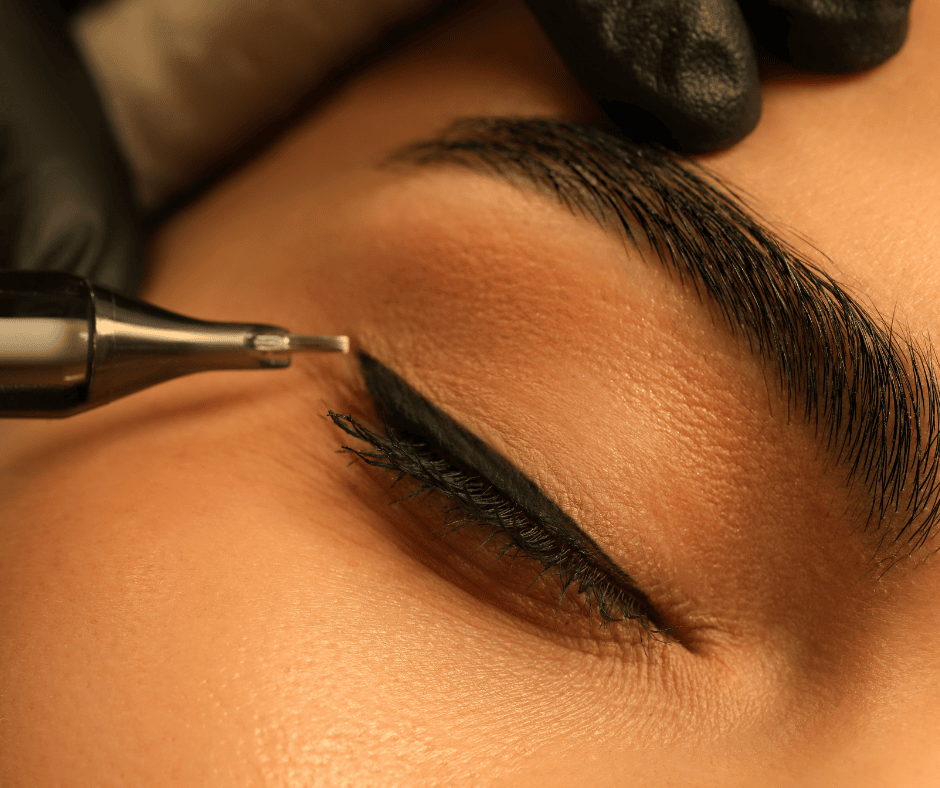
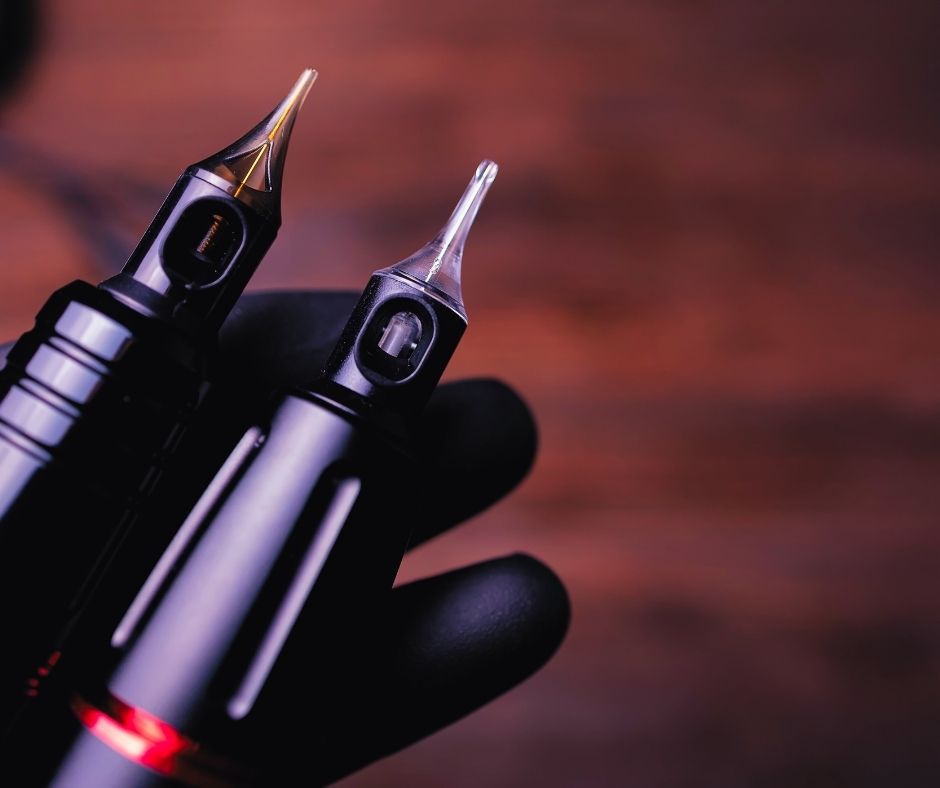
Not all permanent makeup procedures are equal in complexity or time commitment. Microblading, ombre powder brows, combination brows, lip blushing, and permanent eyeliner each require different tools, pigment depths, and skill sets. A microblading session relies on a handheld blade to create hair-like strokes, while ombre powder brows use a digital rotary machine to layer pigment gradually. Combination brows require mastery of both approaches in a single session.
More advanced techniques usually cost more because they take longer and demand higher-level training. Corrective work also affects pricing. Many Mississauga clients seek permanent makeup as a fix for previous work that faded unevenly or healed with unwanted tones. Corrective procedures involve color neutralization, strategic pigment layering, and longer appointments. That additional time and expertise increases the overall cost.
Artist experience and credentials play a major role
Permanent makeup is a technical service performed on the face. Experience matters. Artists with extensive training in micropigmentation understand skin behavior, undertones, symmetry, and long-term pigment retention. Clinics that employ licensed aestheticians and certified cosmetic tattoo artists often charge more because those credentials represent years of education and supervised practice.
In Mississauga, reputable clinics operate under Peel Public Health regulations and maintain BodySafe certification. That level of compliance requires ongoing inspections, strict sanitation protocols, and documented training. These requirements protect clients, but they also increase operating costs. Clinics that invest in compliance, continuing education, and advanced techniques reflect those investments in their pricing.
Quality of pigments and tools affects long-term results
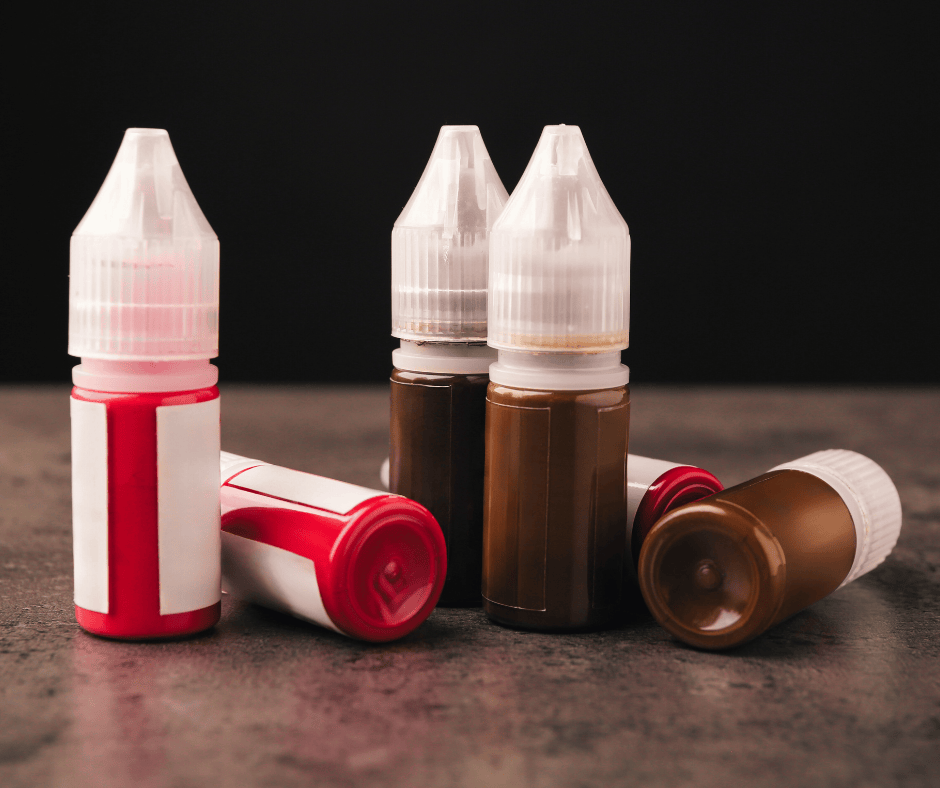
Pigment selection directly impacts how permanent makeup heals and fades. Lower-cost pigments may change color over time, turning grey, blue, or orange. High-quality pigments are formulated for stable fading and skin safety. Brands such as Tina Davies Professional, Permablend, and PhiBrows are widely respected because they are tested for consistency and allergen safety.
Tools also matter. Single-use micro-needles, sterile barrier film, precision calipers, and medical-grade numbing creams all contribute to a controlled and predictable result. Clinics that invest in autoclave sterilization systems and biohazard disposal operate at a higher standard than those using minimal equipment. These details often go unseen by clients, but they directly influence cost and outcome.
Safety standards and health inspections are not optional
Permanent makeup clinics in Mississauga must meet Peel Public Health standards. These regulations govern sterilization, waste disposal, cross-contamination prevention, and practitioner licensing. Compliance is not a one-time task. Clinics undergo inspections and must maintain detailed records.
Operating within these guidelines adds cost, but it also protects clients from infection, allergic reactions, and poor healing. Clinics offering significantly lower pricing may cut corners on sterilization or equipment quality. For facial procedures, that risk is rarely worth the savings.
Customization and facial mapping increase value
Permanent makeup should not be a one-size service. Proper brow design considers bone structure, muscle movement, eye shape, and natural hair growth. Professional clinics invest time in mapping, measuring, and client consultation before pigment is ever applied.
This design process requires experience and patience. Mapping tools such as symmetry calipers and measuring string allow artists to create balance that complements the client's face rather than following trends. That level of customization often separates premium clinics from budget providers and contributes to higher pricing.
Touch-ups and long-term planning influence the total cost
Permanent makeup is considered semi-permanent. Most procedures require an initial session followed by a touch-up after healing. That second appointment allows the artist to reinforce pigment, refine shape, and address how the skin retained color.
Some clinics include touch-ups in the original price, while others charge separately. Clients should ask whether follow-up appointments are part of the service. Long-term planning also matters. Skin type, lifestyle, and sun exposure affect how long results last. A clinic that educates clients on maintenance and fading is providing value beyond the initial appointment.
Location within Mississauga impacts pricing
Mississauga is a large and diverse city. Clinics near Square One, Celebration Square, and other central areas often face higher operating costs. Rent, staffing, and regulatory compliance in these locations affect pricing. At the same time, central clinics offer accessibility for clients traveling from Cooksville, Port Credit, Erin Mills, and surrounding neighborhoods.
Choosing a clinic based solely on price without considering location, experience, and compliance often leads to disappointing results. Many corrective clients originally chose lower-cost providers and later paid more to fix the outcome.
What clients should evaluate before choosing a clinic
Artist training and certification in cosmetic tattooing
Use of high-quality pigments designed for stable fading
Peel Public Health inspection and BodySafe compliance
Customization through facial mapping and consultation
Clear explanation of touch-ups and long-term maintenance
Evaluating these factors helps clients understand why permanent makeup in Mississauga ONvaries in cost. Price alone does not indicate value. The real measure is safety, longevity, and how confidently the result ages with the skin.
A professional consultation allows clients to discuss goals, review previous work, and assess skin type. It also gives the artist an opportunity to explain technique options and realistic outcomes. Clinics that offer free consultations demonstrate confidence in their process and transparency in pricing.
Alternative Laser Health encourages consultations because informed clients tend to be more satisfied long-term. Understanding what affects cost builds trust and helps clients choose permanent makeup solutions that align with both expectations and budget.
Permanent makeup is an investment, not a shortcut
Permanent makeup in Mississauga should be viewed as a long-term aesthetic investment. The goal is not just immediate appearance but how the pigment heals, fades, and complements facial features over time. Higher upfront cost often reflects safer practices, stronger pigment stability, and more predictable results.
Clients who prioritize experience, safety, and customization tend to enjoy better outcomes and fewer corrective procedures. In the context of facial aesthetics, thoughtful pricing usually reflects professional responsibility rather than excess.
For those considering permanent makeup in Mississauga, asking the right questions and understanding what affects cost leads to better decisions and more confidence moving forward.
Permanent makeup: before, immediately after, and healed – brow, eyeliner, and lip procedures
Permanent makeup, also known as permanent cosmetics, derma-pigmentation, micro-pigmentation, semi-permanent makeup and cosmetic tattooing,[1] is a cosmetic technique which employs tattooing techniques to replicate the appearance of traditional makeup, such as for eye liner, eyebrows, and lip color. Permanent makeup is done for both aesthetic and medical purposes, as it is sometimes used after reconstructive surgery.
Permanent makeup has evolved from a tattooing practice to a more widely accepted, sophisticated procedure. It has become very popular, not only because of its cosmetic advantages but also for its convenience and enhancing quality of life. However, it does come with risks. Complications include allergic reactions, migration of pigment, or even infections, which underscore the importance of high-quality materials and skilled technicians.
As permanent makeup gradually gained popularity, its safety concerns, regulatory challenges, and options for removal also attracted attention. Whether selected for restoration, convenience, or other reasons, this technique represents a blend of science, personal care, and aesthetics.
The most widely documented first use of permanent makeup treatment was done by the famous U.K. tattoo artist Sutherland MacDonald.[2] In 1902, at his parlor, #76 Jermyn Str., London, he "perfected his method of giving a lasting complexion of the utmost delicacy to pale cheeks."[3] The tattooist George Burchett, a major developer of the technique in the 1930s, described in his memoirs how beauty salons tattooed many women without their knowledge, offering it as a "complexion treatment... of injecting vegetable dyes under the top layer of the skin."[4][5] Permanent makeup became much more commonplace beginning in the 1970s and 1980s, when it was used to address hair and pigment loss due to disease,[6] and now it is considered very normal.[7]
One may opt for permanent makeup for a plethora of reasons. For some, it can replace the daily application of traditional makeup products in favor of a more lasting solution.[8] This is especially useful for older women whose eyesight might not be good enough to apply the makeup[9] or who have degenerative diseases such as Parkinson's which severely limits motor ability.[6] Others may have the procedure to restore color areas that have lost it due to disease. This includes micro pigmentation for people with alopecia and vitiligo, and areola recoloring for breast cancer patients. Permanent makeup is also a common practice in some African cultures, who use certain tattoos to signify status.[7][10]
As with any tattoo, there are cases of undesired results, whether that be from the initial application or degradation over time.[11] Since this is the case, patients should come in with realistic expectations of what the makeup will look like.[9] One factor that heavily influences how the cosmetic tattoo looks is skin tone. This is because the same color may look different on different skin tones. Another factor that affects the appearance of these tattoos is sun exposure and lifestyle, which can fade the tattoos.[12]
As with any occupation, permanent makeup technicians need to complete required training in order to practice, although these requirements vary from state to state. The average technician completes an apprenticeship around nine months in length; however, certification programs vary from a single day to four years.[1][9] Once they complete their certification, the technician must submit various documents, including proof of certification, apprenticeship, and insurance, before practicing.[9]
Permanent cosmetics technicians are urged to comply with "standard precautions" and a uniform code of safe practice while performing cosmetic tattooing procedures.[13][14] This includes assessing whether the patient should receive permanent makeup at all and informing adequately informing them about the risks associated with the practice.[9]
In a study done regarding the possible complications of permanent makeup, the most common side effects were itching, redness, and the occasional swelling, all of which tended to heal after a few days.[15] While uncommon, permanent makeup can potentially come with more serious complications, including allergic reactions to the pigments, infection, granulomas, keloids, bleeding, crusting, loss of eyelashes, or general damage to the tattooed area.[11][16] Although properly trained technicians will maintain sterile conditions during application,[17] the use of unsterilized tattooing instruments may also infect the patient with serious diseases such as HIV and hepatitis.
On very rare occasions, people with permanent makeup have reported swelling or burning in the affected areas when they underwent magnetic resonance imaging (MRI).[18] Nevertheless, most such cases indicated that poor quality pigments, pigments adulterated with heavy metals, and pigments with diamagnetic properties may have been the causative factors.[19][20] Permanent makeup can also reportedly affect the quality of an MRI image, however, complications can be avoided as long as medical professionals are previously informed.[11]
In the United States, the inks used in permanent makeup are subject to approval as cosmetics by the Food and Drug Administration. While certain pigments in tattoos lack FDA approval for use in permanent cosmetics, competing public health priorities and lack of safety problems have consequently caused loose regulations around what color pigments tattoo inks can contain. Thus, there is little regulation on the type of inks used, with some pigments not approved for skin contact or refined only to an industrial-grade level, i.e. printers' ink, automobile paint, etc..[21]
If a tattooist lacks proper training, patients run the risk of the artist injecting the ink too deep into their skin, causing the pigment to migrate into the surrounding tissue. As a result, the makeup may appear blurry and lack definition for thin line work.[11] Due to their lymphatic distribution, older patients may have an increased risk for pigment migration following permanent eyelash makeup,[22] Although migration is generally avoidable by not over-working swollen tissue. Removing migrated pigment is a difficult and complicated process, so it must be avoided if possible.[23]
As with tattoos, permanent makeup can be difficult, or even impossible, to remove.[12] Common techniques used for this are laser tattoo removal, dermabrasion (physical or chemical exfoliation), and surgical removal.[23] Different types of chemical removals have also become a popular option for permanent makeup removal.