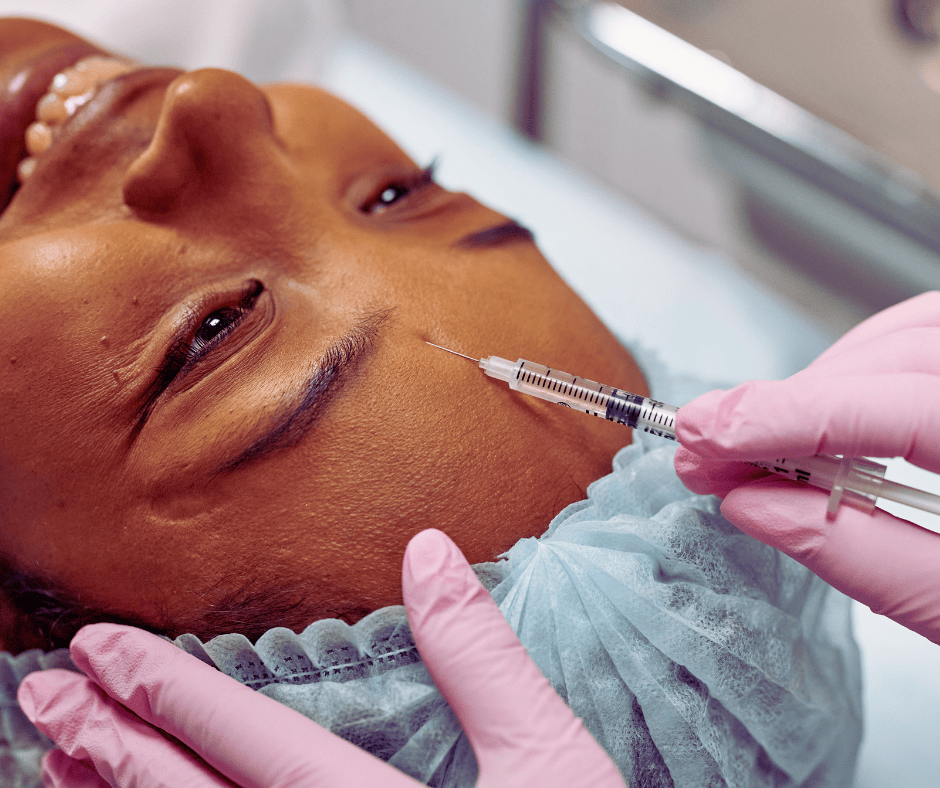
Botox in Mississauga What First Timers Should Know
For first timers, the biggest fear about botox injections is usually the same: “What if it looks obvious?” People want to soften lines, not look like a different person. They want to look rested, not overdone. And in a city like Mississauga, ON, where many clients balance professional life near City Centre with busy family schedules in places like Port Credit, Erin Mills, and Lorne Park, the goal is often simple. They want natural results that still look like them.
Botox works by relaxing targeted muscles
Botox is botulinum toxin type A that relaxes targeted muscles locally by blocking acetylcholine release at neuromuscular junctions temporarily sites.
Botox timing and how long results last
Results begin in 3 to 5 days, peak around 1 to 2 weeks, and fade after 3 to 4 months. Most clients schedule a maintenance visit about 3 times per year to keep the look consistent.
Botox vs Dysport vs Xeomin units are different
Units are not interchangeable between Botox, Dysport, and Xeomin; safe dosing depends on product, muscle, and injector training specific assessment.
What Botox is and what it is not
That is exactly why first time Botox should never feel rushed. The best outcomes come from a careful consultation, a personalized plan, and clinical technique that respects facial anatomy. At Alternative Laser Health, clients book botox injections in Mississauga ON because they want safe, clean, precise care from certified medical injectors in a professional medical spa setting. The focus is not trends. The focus is a refreshed, relaxed look that fits the client's face and lifestyle.
What Botox actually does, how it feels, how long it lasts, what first timers should avoid, and how to get results that look smooth but still expressive. It also covers local context for Mississauga clients, including timing around work events, commuting, and why choosing a clinic near landmarks like Square One Shopping Centre and Celebration Square makes follow-up visits easier.
Botox is the brand name most people know, but the medical category is neuromodulators. Botox is a form of Botulinum Toxin Type A, a purified protein used in small doses to relax specific muscles. When a muscle relaxes, the skin above it does not crease as deeply. That is why Botox is often called anti-wrinkle injections.
It is important to understand one key detail: Botox treats dynamic wrinkles. Those are the lines created by repeated facial movement. Think of the lines that show up when someone raises eyebrows, frowns, squints, or smiles. Botox is not designed to fill deep folds or replace lost volume. That is what dermal fillers are used for.
When Botox is done well, people do not say “You got Botox.” They say, “You look rested,” or “Did you sleep better?” That is the point. It should look clean and subtle.
In Mississauga, Botox has become one of the most requested non-surgical treatments for people who want a refreshed look without taking time away from work, family, or social plans. It fits modern routines. The appointment is short. The aftercare is simple. And the results build gradually over several days, which means the change does not look sudden or obvious. For many first timers, that “slow shift” is exactly what makes Botox feel comfortable. It looks like better rest, less stress, and a softer expression, not like a major procedure.
Another reason Botox injections are trending in Peel Region is the lifestyle of the city itself. Mississauga is full of professionals commuting into Toronto, working in corporate hubs near City Centre, or managing busy schedules around Square One Shopping Centre and surrounding business districts. Many clients do not want long recovery periods or visible swelling. Botox is often chosen because it allows people to return to their normal day almost immediately. For parents, that convenience matters too. Many want to look more awake and less tired, but they also want a treatment that does not disrupt childcare routines.
There is also a strong “confidence factor” that drives interest. A large number of clients in Mississauga work in client-facing roles, sales, healthcare, real estate, finance, education, and leadership positions where communication and presentation matter. Under bright office lighting, certain expression lines can look deeper than they do in normal life. On HD camera, that effect is even stronger. Video calls have changed how people see themselves. When someone looks at their own face in a little screen window every day, they often notice patterns they never paid attention to before. Frown lines can look more intense. Crow's feet can appear sharper. Forehead lines can show even when the person feels calm.
Botox is often used to soften those lines without changing the face. That is the key. The best Botox results do not create a different person. They simply reduce the “tension look” that can sit on the face even when the person is feeling fine.
Botox has also become popular because the aesthetic trend has shifted. People are moving away from dramatic, obvious results. They want natural-looking results and subtle improvements that still allow facial expression. They want to look refreshed, not frozen. A skilled injector can maintain movement while still smoothing the skin and relaxing the strongest pull points that cause dynamic wrinkles.
In Mississauga, many clients are also more educated about injectables than they were years ago. They ask better questions. They want to know the plan, the dose range, the follow-up schedule, and what “good Botox” should look like. That shift has raised the standard, and it has helped more people feel confident about booking their first appointment.
Common areas treated with Botox injections
Most first timers start with classic areas where Botox Cosmetic is known for reliable, natural-looking improvement. These areas are popular because they respond well to neuromodulators and because the results can be subtle but meaningful. The most common starting points include glabellar lines (the “11 lines” between the brows), crow's feet (outer eye lines), and forehead wrinkles (horizontal lines that show when raising the brows). These are the areas where Botox injections can soften expression lines without changing identity or creating an unnatural look.
Glabellar lines are often the first concern clients mention because they can make the face look stressed, angry, or tired even when the person feels happy and calm. Crow's feet are another common focus, especially for clients who smile a lot. These lines are normal and natural, but some people prefer them softer, especially in photos. Forehead wrinkles often show up for clients who naturally lift their brows when talking or expressing emotion. Botox can relax the overactive forehead pull without eliminating expression when dosed correctly.
Other areas may also be treated depending on facial anatomy and goals. Some clients ask about subtle brow lift effects, which can be achieved by carefully relaxing specific muscle groups that pull the brow downward. Others ask about bunny lines on the nose, chin dimpling, or lip flip style treatments. These areas require extra precision and are usually recommended only after a full consultation, especially for first timers.
The most important point is that Botox is not “one pattern fits all.” A high-quality injector will evaluate facial movement, symmetry, and muscle strength first. That evaluation determines which areas should be treated, how much product is appropriate, and how to keep the final result balanced and natural.
Botox vs Dysport vs Xeomin What is the difference
Botox is the best-known name in neuromodulators, but it is not the only option available in a professional medical aesthetics clinic. In Mississauga, many clients hear “Botox” as a general term, even when they are actually asking about neuromodulators as a category. Health Canada approved options commonly include Botox Cosmetic, Dysport, and Xeomin. Some clinics may also offer Jeuveau, depending on availability and the injector's preference.
All of these products work in a similar way: they use botulinum toxin type A to temporarily relax specific facial muscles that create dynamic wrinkles. These are wrinkles that form with movement, such as frown lines (glabellar lines), crow's feet, and forehead lines. By calming muscle contraction, the skin above the muscle has a chance to smooth out, and expressions look softer and more rested.
The difference comes down to details. Each product has its own formulation and diffusion pattern, which can slightly affect how quickly results appear and how the treated area “feels” when the face moves. Some clients prefer one product over another after trying a few options, while others do not notice a big difference at all. A skilled injector can create natural-looking results with any of these neuromodulators, as long as the product matches the treatment plan.
In general, here are the most common differences clients notice:
Botox Cosmetic is often chosen for its predictable, consistent results and is widely used for frown lines, forehead lines, and crow's feet.
Dysport may feel like it “kicks in” a bit sooner for some clients and can spread slightly more, which can be helpful in broader areas depending on anatomy.
Xeomin is sometimes described as a “cleaner” formula because it contains the active ingredient without accessory proteins, which some clients prefer for repeat treatments.
Jeuveau is a newer cosmetic-focused option that some clinics use for aesthetic wrinkle softening, depending on patient fit and injector preference.
It is important to note that “units” are not always interchangeable between products. The dosage is calculated based on the product used, the muscle strength, and the desired result. That is why a first timer should not compare pricing based only on unit numbers. A proper comparison is about the outcome, the injector skill, and the safety standards.
The best choice depends on facial anatomy, muscle strength, the treatment area, and the client's goals. For example, a client who wants a softer, natural forehead might need a different product strategy than someone focused on strong frown line correction. A professional consultation in Mississauga should include product recommendations based on the face, not on trends.
What a first Botox appointment feels like
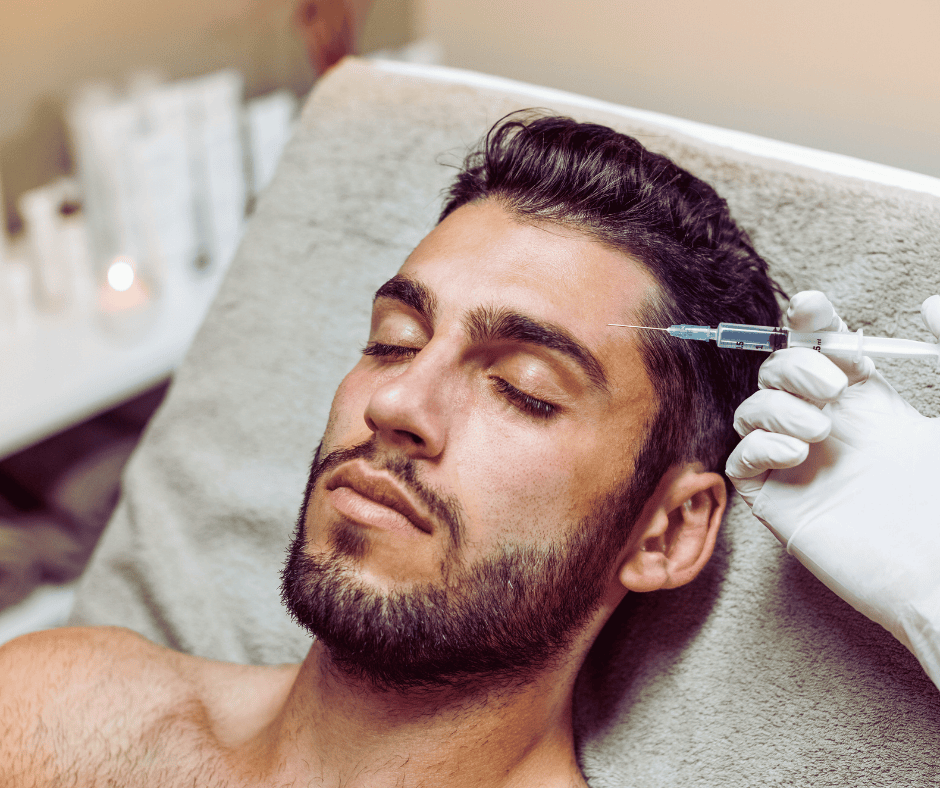
For most first timers, the biggest fear is the unknown. The reality is that Botox appointments are usually quick, calm, and far less dramatic than people imagine. Most clients describe the injections as a small pinch or a brief sting that lasts only a second or two. The treatment is performed using a sterile syringe and an ultra-fine needle, which helps keep discomfort minimal and allows for very precise placement.
If a client is nervous or sensitive, the injector may apply a topical anesthetic or a numbing cream for comfort. Many clients do not need it, but it can be reassuring for first timers, especially around areas like crow's feet where the skin can feel more delicate. The appointment also usually includes cleaning the skin, reviewing the plan, and confirming the exact areas to treat before any injections begin.
The actual injection portion is typically short. Many treatments take about 10 to 15 minutes once the plan is confirmed. The number of injection points depends on the muscles being treated. For example, frown lines often require multiple small placements to relax the corrugator and procerus muscles evenly. Crow's feet are treated with small, carefully spaced injections to soften lines without affecting natural smiling.
For first timers, the real value is not the injection itself. The real value is the planning. A high-quality Botox appointment includes a full facial movement assessment. The injector watches how the brows lift, how the eyes squint, how the forehead creases, and how the face rests naturally. This mapping process is what helps avoid results that look stiff or uneven.
After the appointment, most clients return to normal activity right away. Mild redness, tiny bumps, or small bruises can happen, but they usually fade quickly. Many Mississauga clients schedule Botox during lunch breaks or between errands because downtime is minimal. The clinic should still provide clear aftercare instructions, including what to avoid for the first day, and when to book a follow-up if needed.
How fast Botox works and how long it lasts
Botox does not work instantly, and that timeline is one of the biggest surprises for first timers. After the injection, the product needs time to bind at the nerve endings and gradually reduce the muscle movement that creates dynamic wrinkles. Most clients begin to notice a softer look in 3 to 5 days, especially in areas like the forehead or frown lines. The full result usually settles in around 10 to 14 days, which is why reputable clinics often recommend waiting two full weeks before judging symmetry or deciding whether a small adjustment is needed.
How long Botox lasts depends on the person, the area treated, and how strong the muscles are. For most first timers, results last around 3 to 4 months. Some people may notice a shorter window closer to 2 to 3 months, especially if their facial muscles are very active or they have a fast metabolism. Others may hold results closer to 4 to 6 months, particularly after repeated treatments when muscles gradually “learn” to relax and stop contracting as aggressively.
It is also normal for Botox to fade gradually. It does not suddenly “turn off” overnight. Instead, movement slowly returns in small increments. Many Mississauga clients choose to schedule maintenance appointments every 12 to 16 weeks to keep results consistent, especially if the goal is smooth forehead lines, relaxed glabellar lines, or a subtle brow lift effect.
Why injector training and clinic standards matter
Botox is a medical treatment, even when the goal is cosmetic. That is why injector training and clinic standards matter more than discounts or quick appointments. First timers should choose a clinic with clear clinical protocols, sterile technique, and proper documentation. The best results come from both skill and safety, because Botox requires precise dosing, accurate placement, and an understanding of facial anatomy and muscle balance.
A professional setting should include strict sterilization procedures such as an autoclave sterilizer, safe handling of supplies, and consistent sanitation practices to reduce infection risk. Botox and other neuromodulators should also be stored correctly in a clinical refrigeration unit to maintain product stability and potency. Many advanced clinics also use assessment tools like a high-definition skin analysis camera to help evaluate skin condition, facial symmetry, and wrinkle patterns in a clear, clinical way.
Just as important is who performs the treatment. Botox injections should be performed by certified medical injectors, often a registered nurse (RN) with physician oversight. This matters because good injectors do more than “treat wrinkles.” They evaluate facial movement, check for asymmetry, plan dosage based on muscle strength, and choose injection points that support natural expression. They also know how to reduce risks such as brow heaviness, eyelid droop, or an unnatural frozen look.
First timers should also confirm the clinic uses Health Canada approved products and follows a personalized plan, not a one-size-fits-all template. Every face moves differently. A customized Botox plan should reflect the client's goals, age, facial anatomy, and lifestyle, while keeping the final look soft, balanced, and natural.
Local Mississauga convenience for follow-ups
Clients often book around work schedules near City Centre or errands near Square One Shopping Centre, so appointments feel easy to fit into a normal day. Many first timers also prefer a clinic that's close enough for a quick follow-up visit, especially if they have questions about settling, symmetry, or when to schedule the next treatment. Alternative Laser Health serves clients across postal areas like L5B, L5G, L5M, L5C, and L4W, including Port Credit, Streetsville, Cooksville, Lakeview, and Erin Mills. For many Mississauga clients, that local access matters just as much as the treatment itself, because Botox results are best when care is consistent and follow-ups are simple.
Ready to book with a plan that fits the face
For first timers, the best next step is a calm consultation that covers goals, facial movement, and dosage planning. This is where the injector looks at how expressions form in real life, not just how the face looks at rest. Alternative Laser Health offers a private, clinical setting and a personalized approach that prioritizes natural-looking results, safe technique, and clear expectations about what Botox can and cannot do. Clients also appreciate having complementary beauty services in one place, including permanent makeup in Mississauga, so the overall look feels polished and balanced without overdoing any single feature.
Permanent makeup: before, immediately after, and healed – brow, eyeliner, and lip procedures
Permanent makeup, also known as permanent cosmetics, derma-pigmentation, micro-pigmentation, semi-permanent makeup and cosmetic tattooing,[1] is a cosmetic technique which employs tattooing techniques to replicate the appearance of traditional makeup, such as for eye liner, eyebrows, and lip color. Permanent makeup is done for both aesthetic and medical purposes, as it is sometimes used after reconstructive surgery.
Permanent makeup has evolved from a tattooing practice to a more widely accepted, sophisticated procedure. It has become very popular, not only because of its cosmetic advantages but also for its convenience and enhancing quality of life. However, it does come with risks. Complications include allergic reactions, migration of pigment, or even infections, which underscore the importance of high-quality materials and skilled technicians.
As permanent makeup gradually gained popularity, its safety concerns, regulatory challenges, and options for removal also attracted attention. Whether selected for restoration, convenience, or other reasons, this technique represents a blend of science, personal care, and aesthetics.
The most widely documented first use of permanent makeup treatment was done by the famous U.K. tattoo artist Sutherland MacDonald.[2] In 1902, at his parlor, #76 Jermyn Str., London, he "perfected his method of giving a lasting complexion of the utmost delicacy to pale cheeks."[3] The tattooist George Burchett, a major developer of the technique in the 1930s, described in his memoirs how beauty salons tattooed many women without their knowledge, offering it as a "complexion treatment... of injecting vegetable dyes under the top layer of the skin."[4][5] Permanent makeup became much more commonplace beginning in the 1970s and 1980s, when it was used to address hair and pigment loss due to disease,[6] and now it is considered very normal.[7]
One may opt for permanent makeup for a plethora of reasons. For some, it can replace the daily application of traditional makeup products in favor of a more lasting solution.[8] This is especially useful for older women whose eyesight might not be good enough to apply the makeup[9] or who have degenerative diseases such as Parkinson's which severely limits motor ability.[6] Others may have the procedure to restore color areas that have lost it due to disease. This includes micro pigmentation for people with alopecia and vitiligo, and areola recoloring for breast cancer patients. Permanent makeup is also a common practice in some African cultures, who use certain tattoos to signify status.[7][10]
As with any tattoo, there are cases of undesired results, whether that be from the initial application or degradation over time.[11] Since this is the case, patients should come in with realistic expectations of what the makeup will look like.[9] One factor that heavily influences how the cosmetic tattoo looks is skin tone. This is because the same color may look different on different skin tones. Another factor that affects the appearance of these tattoos is sun exposure and lifestyle, which can fade the tattoos.[12]
As with any occupation, permanent makeup technicians need to complete required training in order to practice, although these requirements vary from state to state. The average technician completes an apprenticeship around nine months in length; however, certification programs vary from a single day to four years.[1][9] Once they complete their certification, the technician must submit various documents, including proof of certification, apprenticeship, and insurance, before practicing.[9]
Permanent cosmetics technicians are urged to comply with "standard precautions" and a uniform code of safe practice while performing cosmetic tattooing procedures.[13][14] This includes assessing whether the patient should receive permanent makeup at all and informing adequately informing them about the risks associated with the practice.[9]
In a study done regarding the possible complications of permanent makeup, the most common side effects were itching, redness, and the occasional swelling, all of which tended to heal after a few days.[15] While uncommon, permanent makeup can potentially come with more serious complications, including allergic reactions to the pigments, infection, granulomas, keloids, bleeding, crusting, loss of eyelashes, or general damage to the tattooed area.[11][16] Although properly trained technicians will maintain sterile conditions during application,[17] the use of unsterilized tattooing instruments may also infect the patient with serious diseases such as HIV and hepatitis.
On very rare occasions, people with permanent makeup have reported swelling or burning in the affected areas when they underwent magnetic resonance imaging (MRI).[18] Nevertheless, most such cases indicated that poor quality pigments, pigments adulterated with heavy metals, and pigments with diamagnetic properties may have been the causative factors.[19][20] Permanent makeup can also reportedly affect the quality of an MRI image, however, complications can be avoided as long as medical professionals are previously informed.[11]
In the United States, the inks used in permanent makeup are subject to approval as cosmetics by the Food and Drug Administration. While certain pigments in tattoos lack FDA approval for use in permanent cosmetics, competing public health priorities and lack of safety problems have consequently caused loose regulations around what color pigments tattoo inks can contain. Thus, there is little regulation on the type of inks used, with some pigments not approved for skin contact or refined only to an industrial-grade level, i.e. printers' ink, automobile paint, etc..[21]
If a tattooist lacks proper training, patients run the risk of the artist injecting the ink too deep into their skin, causing the pigment to migrate into the surrounding tissue. As a result, the makeup may appear blurry and lack definition for thin line work.[11] Due to their lymphatic distribution, older patients may have an increased risk for pigment migration following permanent eyelash makeup,[22] Although migration is generally avoidable by not over-working swollen tissue. Removing migrated pigment is a difficult and complicated process, so it must be avoided if possible.[23]
As with tattoos, permanent makeup can be difficult, or even impossible, to remove.[12] Common techniques used for this are laser tattoo removal, dermabrasion (physical or chemical exfoliation), and surgical removal.[23] Different types of chemical removals have also become a popular option for permanent makeup removal.
Most Botox results hold for about 3 to 4 months. Some clients see it fade sooner (around 2 months), while others keep results closer to 4 to 6 months depending on muscle strength, metabolism, and dose. It’s also normal for first-time Botox to wear off a little faster, then last longer after repeat treatments once the muscles “learn” to relax.
What are the bad side effects of Botox?
Botox is generally well tolerated, but side effects can happen. The most common are mild bruising, swelling, tenderness, or small bumps at injection points. Some people may get a headache or feel slightly unwell for a day or two. Less common but more noticeable effects include eyelid droop, uneven brows, a slightly crooked smile, dry eyes or watery eyes, and (rarely) infection if aftercare is ignored.
What is Botox injection used for?
Botox is used for cosmetic and medical reasons. Cosmetically, it relaxes facial muscles that create dynamic wrinkles like frown lines, forehead lines, and crow’s feet. Medically, it can help with concerns such as chronic migraines, excessive sweating (hyperhidrosis), teeth grinding (bruxism), muscle spasms, and certain bladder or eye conditions. Results are temporary, so maintenance is usually needed every few months.
Who should not get Botox?
Botox is not recommended for people who are pregnant or breastfeeding, have certain neuromuscular disorders, or have an active infection or skin irritation in the treatment area. It may also not be suitable for clients with significant muscle weakness in the planned injection zones or those with a history of allergic reaction to botulinum toxin products. A proper consultation is important to confirm safety before treatment.