
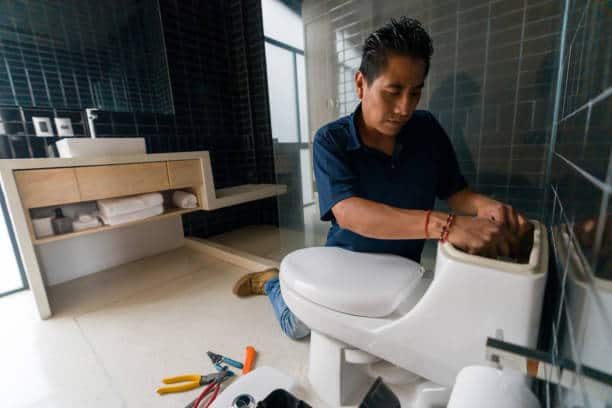
What to do when a water heater stops working in North San Antonio
Cold showers are a rude surprise, especially on a Hill Country morning. When a water heater quits in North San Antonio or around Kerrville, the fix can be simple, or it can point to a larger problem hiding behind the tank. This article explains what to check first, how to stay safe, and when it makes sense to call a North San Antonio plumber. The goal is clear steps, real-world context, and practical decisions that save time and money. If a repair or replacement is needed, Gottfried Plumbing llc serves homeowners across North San Antonio and Kerrville, TX with fast diagnostics and reliable installs.
Start with safety
Any water heater issue begins with basic safety. Gas and electricity do not forgive mistakes, and a tank under pressure can cause damage if handled carelessly. Cut power to electric units at the breaker. For gas units, set the gas control to off, then close the gas shutoff valve on the line. If you smell gas, do not light a match, do not flip switches, and step outside to call a licensed plumber near you. A small leak can spread quickly indoors.
Give the tank a minute to settle before touching pipes. If the relief valve has been leaking or the tank sounds like a kettle, it could be overheated. Do not cap or block the temperature and pressure (T and P) relief valve. That valve prevents explosions. If it drips steadily, catch the water in a bucket and call a plumber North San Antonio homeowners rely on for safety checks.
Verify the basics: power, gas, and water
In many service calls, the fix is simple. A tripped breaker on an electric water heater is common after storms or when other large appliances cycle at night. Reset the breaker once. If it trips again, leave it off and schedule service. Repeated trips suggest a failing element or a short in the thermostat.
For gas heaters, look at the status light on the gas control valve. Many units flash a code that explains the fault. A steady slow blink might mean normal operation, while rapid flashes can mean a failed igniter or locked sensor. If the pilot is out on older standing-pilot models, relight it only if you feel comfortable and the instructions on the tank are present and clear. If the pilot will not stay lit, it can point to a bad thermocouple, dirty pilot orifice, or poor combustion air.
Check the cold water shutoff at the top of the tank. It should be parallel to the pipe. If it is perpendicular, water is off to the tank and you will run out of hot water quickly. People sometimes close this valve for unrelated work and forget to reopen it fully.
No hot water at all: isolate the cause
No hot water can mean the tank never heats, or it heats but the hot water never reaches fixtures. Start at a nearby faucet and run hot water for 60 seconds. If it is stone cold, the tank is not heating. If it is briefly warm then cold, the tank might be heating but capacity is inadequate or a mixing valve is failing.
Electric units have two heating elements, upper and lower. If the upper fails, you get no hot water. If the lower fails, you get a small amount that turns cold fast. Thermostats can stick and cut power early. In the field, a multimeter tells the truth, but homeowners can note symptoms. If you have a 50-gallon electric unit that used to provide two showers and now fails on the first, the lower element is a suspect.
Gas units rely on ignition. Newer models use a hot-surface igniter or spark module. If you hear clicking at startup but no flame, the igniter might be too weak to light, or the gas supply may be restricted. Persistent ignition tries without flame are a sign to call a licensed North San Antonio plumber, as repeated attempts can flood the chamber with gas.
Pilot light and ignition details that matter
In Kerrville and the north side communities, many garages have louvered doors or limited combustion air. Lint, pet hair, and dust accumulate around the heater’s air North San Antonio plumber gottfriedplumbing.com intake. Modern gas heaters often use a flame arrestor screen under the unit. If it clogs, the heater starves for air and the pilot goes out or the burner drops out after a minute. A gentle vacuum around the base can restore airflow. Do not disassemble sealed combustion parts without training.
If the pilot stays lit but the main burner will not fire, the gas control valve or the resettable thermal switch might be the culprit. The thermal switch trips when the combustion chamber overheats, often from poor airflow. If the switch trips repeatedly, the root cause must be addressed, not just the symptom reset.
Lukewarm water or hot water that runs out fast
This is one of the most common complaints in North San Antonio. Several causes show up repeatedly:
- A failed lower element on electric units, which reduces recovery.
- A broken dip tube, which lets incoming cold water mix at the top instead of being sent to the bottom. This yields quick but short hot water.
- A thermostat set too low, common after power outages or maintenance. Most homes are well served by 120 to 125°F. Households with dishwashers that lack internal boosters may prefer 130°F. Higher settings raise scald risk, so families with kids or elderly occupants should stick near 120°F and consider anti-scald mixing valves.
- Sediment buildup at the bottom of the tank from hard water. In Kerr County, hardness commonly sits in the 12 to 18 grains per gallon range. Over years, calcium layers at the bottom insulate the water from the burner or element, causing slow heating and rumbling sounds.
If a tank rumbles when heating, that sediment is moving. Annual flushing extends life, but once sediment bakes into thick layers, flushing offers only partial relief. A plumber near me search often finds advice ranging from vinegar soaks to aggressive drain-and-stir methods. In practice, the cost and risk of stirring old tanks often outweighs the benefit once the tank is in late life.
Water too hot, scalding risk, or temperature swings
If water arrives scalding, do not delay. Check the thermostat setting. Electric units have two thermostats behind panels; set both equally. Gas units have a dial with letters or simple notches. Overheating can come from a stuck thermostat or grounded element that keeps heating even when the control is satisfied. This is not a DIY repair. Shut power or gas off and schedule service.
Rapid temperature swings in the shower often come from pressure imbalances or a failing mixing valve at the shower. Low-flow showerheads and pressure-balancing valves can mask a water heater issue. If swings occur across the house, the heater is a suspect. If swings occur in one bathroom only, that valve may need service.
Discolored or smelly hot water
Brown or yellow hot water suggests rust or sediment from the tank. If only the hot side shows color, the tank or anode is the likely source. If both hot and cold show color, the issue may be municipal or well-related, or it may come from older galvanized piping. Kerrville and North San Antonio neighborhoods built in the 1970s and 1980s sometimes keep galvanized branches that shed rust when flow changes.
A sulfur or rotten egg odor usually indicates sulfate-reducing bacteria reacting with the magnesium anode rod. Switching to an aluminum-zinc anode or a powered anode can help. Flushing with a peroxide solution is a common treatment. If smell appears after a vacation, running hot water through all fixtures and heating to 140°F for a short sanitation cycle can help, then return to a safer 120 to 125°F setpoint.
Leaks: small drips, big clues
A little water under a tank is not always a tank failure. Check the T and P relief valve discharge pipe. Occasional drips during heat cycles can be normal in high-pressure homes without expansion tanks. In neighborhoods with backflow devices or PRVs, thermal expansion has nowhere to go. Pressure spikes cause the relief valve to spit. An expansion tank sized to the heater and house pressure solves this. For most 40 to 50-gallon tanks, a 2-gallon expansion tank set to the home’s static pressure is standard.
If water seeps from the tank seam or the bottom pan fills slowly, the tank is likely ruptured. No repair exists for tank body leaks. Turn off water, power, and gas, and schedule a replacement. Many heaters fail around year 8 to 12, but hard water and high use can shorten life. If the tank is in an attic, act quickly. A burst line or tank can damage ceilings and floors in minutes. Gottfried Plumbing llc often installs pans with drains and leak alarms to reduce risk in attics and closets.
Tankless units: different symptoms, different fixes
North San Antonio and Kerrville homes increasingly use tankless heaters. When these stop providing hot water, look for error codes on the display. Common issues include scale buildup in the heat exchanger, blocked condensate lines on high-efficiency units, low gas supply from undersized lines, or a dirty inlet filter.
Scale is a frequent cause in hard-water regions. A tankless unit may shut down with a code indicating heat exchanger overheat. Annual descaling with a pump and vinegar or approved solution keeps efficiency high. Many units need a 3 to 4 gallons per minute flow on demand; if a faucet’s aerator is clogged, the unit may not sense enough flow to fire. A plumber North San Antonio homeowners trust will check gas line sizing as well; long runs in half-inch pipe can starve a high-BTU unit.
Seasonal and local factors in North San Antonio and Kerrville
Incoming water temperature drops in winter. The heater must lift water from roughly 55 to 60°F up to your setpoint, instead of from 70°F in summer. This reduces available shower time. A family that was fine with a 40-gallon tank in August might struggle by January. In homes with large tubs or multiple teenagers, a capacity bump to 50 or 75 gallons, or a hybrid heat pump water heater with higher first-hour rating, can solve seasonal shortages.
Kerrville homes on well systems face different pressures and mineral content than those on SAWS. Iron and manganese in wells can stain and clog aerators, which then trick flow sensors in tankless units. Pressure tanks that short-cycle can batter expansion tanks and relief valves. These system details shape the right solution, and an on-site assessment helps prevent repeat visits.
When a repair makes sense, and when replacement is smarter
A clear decision often comes down to age and condition. Replacing a thermostat, thermocouple, or igniter on a unit under 8 years old can be wise. Throwing several hundred dollars of parts at a 12-year-old tank that already shows rust at the nipples is a gamble. Sediment rumble plus poor efficiency and slow recovery are signs the tank is near retirement.
Gas valve replacements can run high, and availability varies by brand and model. Electric elements and thermostats are affordable, but a tank body leak ends the debate. For tankless units, a failed board or fan might be worth the part cost if the heat exchanger is sound and the unit is under 10 years old. If scaling has been severe and maintenance rare, replacement can be the cleaner path.
Simple homeowner checks that help your plumber
Before calling, gather a few details. They help the technician arrive prepared and shorten the visit:
- Heater type and size. Look for the label: 40, 50, 75 gallons, or the BTU and model for tankless.
- Fuel type. Electric, natural gas, or propane. Kerrville uses both natural gas lines and propane tanks in some areas.
- Age of the unit. The serial number often encodes the year. A quick photo of the label helps.
- Symptoms with timing. Cold all the time, intermittent, only mornings, only after laundry. These clues point to cause.
- Any recent work. New PRV, water softener, remodel, or power outage. Changes upstream often explain new problems.
Preventive steps that pay off in real homes
Annual maintenance tends to be skipped until trouble arrives, but a small routine prevents many failures. Draining a few gallons from the tank quarterly reduces sediment. Testing the T and P valve once a year confirms it opens and reseats, though older valves can start dripping after a test, so be prepared to replace them if they do not reseal.
Water softeners help with scaling but can accelerate anode consumption. An anode check at year 3 to 5 is smart. For tankless units, plan a yearly flush in hard water regions. For heat pump water heaters, clean intake filters and keep clearance around the unit. These steps extend life and improve efficiency, which shows up in lower bills and fewer cold-shower surprises.
Attic and closet installs: specific risks and solutions
Many North San Antonio homes place water heaters in attics or tight interior closets. Attics need pan drains and leak alarms. A pan without a drain is a false sense of security. Condensation lines from nearby HVAC can share drain lines, and a clog there will back water into the pan. A simple battery or Wi‑Fi leak sensor costs little and pays for itself the first time it chirps.
Closet installs require clearances for combustion air on gas units. Louvered doors and upper and lower vents provide air. If the door was replaced with a solid door during a remodel, the heater can starve for air and burn poorly. That leads to soot, overheating, and reliability issues. A quick site check by a best North San Antonio plumber will spot these code and safety gaps fast.
Permits, code, and resale value
Replacing a water heater is not just swapping tanks. Current code requires seismic strapping, expansion control in closed systems, proper venting, drain pans in certain locations, and a T and P discharge to an approved location. Gas venting transitions from single-wall to B-vent at defined distances, and backdrafting risks carbon monoxide. On resales, inspectors flag missing expansion tanks and improper discharge lines often. Doing it right protects the family now and avoids repair credits later.
Energy choices: gas, electric, heat pump, or tankless
Every home has constraints. Gas offers quick recovery and lower operating cost than standard electric in most of Texas. Electric heat pump water heaters use far less electricity than standard electric resistance and dehumidify the surrounding space, which can help in garages. They cool the area slightly, which is fine in our climate for much of the year. Tankless units save space, deliver continuous hot water, and suit households with variable use, but they need correct gas line sizing, venting, and annual maintenance.
A practical approach weighs first cost, operating cost, space, noise, and maintenance. For a household of four in Kerrville with a 40-gallon gas tank running out, a 50-gallon high-recovery tank may solve the problem with minimal rework. For a couple in a townhome with limited space and a high electric rate, a heat pump water heater can cut energy use by half or more. For a large family with back-to-back showers, a properly sized tankless, or even a twin-tank setup with mixing valve, can be the right answer.
Real fixes from local homes
A ranch home near Camp Bullis had recurring lukewarm water in winter. The 12-year-old 40-gallon gas heater rumbled and recovered slowly. The family debated repair versus replacement. The gas valve showed erratic readings, the dip tube was brittle, and sediment clogged the drain. The smarter move was a 50-gallon high-input replacement, new expansion tank set to 70 psi house pressure, and a drain pan with alarm. The result was steady showers and quieter operation.
A Kerrville bungalow with a tankless unit flashed a flow code and shut down during dishwashing. The inlet screen was loaded with fine sediment, and the gas line run was undersized for the unit’s 180,000 BTU rating. After cleaning, the plumber upsized the gas line from half-inch to three-quarter-inch on the long run and scheduled annual descaling. No more mid-cycle shutdowns.
What to try before calling for help
If the situation is safe and there is no leak or gas odor, a few fast checks can restore hot water:
- Electric units: Confirm the breaker is on. Remove and reset the high-limit switch behind the upper thermostat panel by pressing the red button. If it trips again, schedule service.
- Gas units: Verify the gas valve is on, check for a steady status light, and confirm combustion air openings are clear at the base. If the pilot will not stay lit, stop and call a professional.
- Check temperature settings: Make sure thermostats match and are not set too low. For households with children, keep at 120 to 125°F.
- Inspect the cold shutoff: Confirm it is fully open and parallel to the pipe so the tank receives water.
- Look for codes: On tankless units, note the exact error code and model. This speeds diagnosis.
If these steps do not restore heat, or if you see water where it should not be, call a licensed plumber North San Antonio residents rely on for fast response.
Why calling a local pro saves time in the long run
Hot water issues often appear simple but hide multiple causes. A breaker trip can be a failing element shorting to ground. A dripping relief valve can be high pressure from a stuck PRV at the street. A pilot that will not stay lit can be a clogged arrestor screen or a venting flaw causing backdraft. A best North San Antonio plumber knows the patterns by neighborhood, the common brands in local builds, and the frequent code issues that accompany them.
Gottfried Plumbing llc brings stocked parts for common 40, 50, and 75-gallon tanks, anodes, elements, thermostats, PRVs, expansion tanks, and tankless service kits. Most no-hot-water calls are diagnosed within the first visit, and many are restored the same day. For replacements, permits and haul-away are handled, with venting and gas tests documented. That makes for safe installs and smooth home sale inspections later.

Ready for help today
If a water heater stops working in North San Antonio or Kerrville, a quick, safe check can reveal the cause. Turn off power or gas if anything seems off, and do not ignore leaks or gas smells. For fast repair, honest advice on repair versus replacement, or an energy-saving upgrade, contact Gottfried Plumbing llc. If you searched plumber near me because the shower just turned cold, help is nearby. A friendly, qualified technician can get hot water running again, and set up the system to stay that way.
Gottfried Plumbing LLC provides residential and commercial plumbing services throughout North San Antonio, TX, and nearby communities. The company handles water heater repair and replacement, leak detection, drain cleaning, and full plumbing maintenance. Licensed plumbers are available 24 hours a day for emergency calls, offering quick and dependable solutions for leaks, backups, and broken fixtures. Gottfried Plumbing focuses on quality workmanship, honest service, and reliable support for homes and businesses across the Boerne area. Gottfried Plumbing LLC Phone: (830) 331-2055 Website:
https://www.gottfriedplumbing.com,
24 Hour Plumber,
Boerne Plumbing
Map: View on Google Maps